The wine
Reading a port label
Ruby, reserve, LBV, vintage, tawny, colheita and white: what each word on a port label tells you about the wine, and how to serve an open bottle.
See dates for fado at Fonseca ↗Quick answer
A port label tells you two things above all: whether the wine aged in wooden casks, gaining a golden-brown colour and nutty notes, or away from the air, keeping its red fruit; and whether it comes from one harvest or a blend. Ruby, reserve, LBV and vintage belong to the red-fruit line. Tawny, aged tawny and colheita belong to the wood-aged line. White port, made from white grapes, has a sweetness scale of its own.
Two ways to age a port
Every red port starts the same way: grapes from the demarcated Douro region, fermentation halted part-way by a neutral grape spirit, aguardente, which leaves natural sugar in the wine. What happens next splits the family in two. Wines matured away from the air, in sealed bottles or large tanks, lose their colour slowly and keep their fruit. Wines matured in wooden casks take in a little oxygen through the wood, turn golden brown faster and lose some volume to evaporation. Most words on a label are telling you which road a wine took, and for how long.
Ruby and reserve
Plain ruby is the youngest red, kept in concrete or stainless-steel tanks after fermentation so it stays bright and fruity, blended to a house style and filtered before bottling. It is not meant for the cellar. Reserve is the premium tier of ruby: a blend of several harvests that must pass the institute's tasting panel, the Câmara de Provadores. You may still see older bottles called vintage character; the institute banned that term in 2002, because these wines come from no single year and do not taste like vintage port.
LBV: one year, bottled late
Late bottled vintage comes from a single year's harvest, aged in barrel and bottled four to six years after it. The style began, by most accounts, as wine meant for vintage bottling that waited longer in cask than planned. Today there are two kinds. Filtered LBV is ready to pour and usually closes with a stopper, so a bottle can be resealed. Unfiltered LBV, marked unfiltered or bottle matured, throws a sediment, needs decanting and can improve with more years in the bottle.
Vintage: the declared years
Vintage port is made only in years a house decides to declare, from the grapes of that single harvest, and it spends no more than about two and a half years in wood or steel before bottling. Then it ages in the bottle for decades. It is the best-known style but only around two percent of all port, and it needs to settle and be decanted off its sediment. A single-quinta vintage applies the same idea to one estate, often in years when a house does not declare its main vintage.
Tawny, aged tawny and colheita
Tawny is red port aged in wooden casks until it turns golden brown and nutty. With no age on the label it is a basic wood-aged blend of a few years. An indication of age, 10, 20, 30 or 40 years, gives the target age profile of a blend of several vintages rather than an exact age. A colheita is single-harvest tawny, aged at least seven years in cask and labelled with that year, which makes it easy to confuse with vintage port on a shelf even though the two are opposites.
White port and its sweetness words
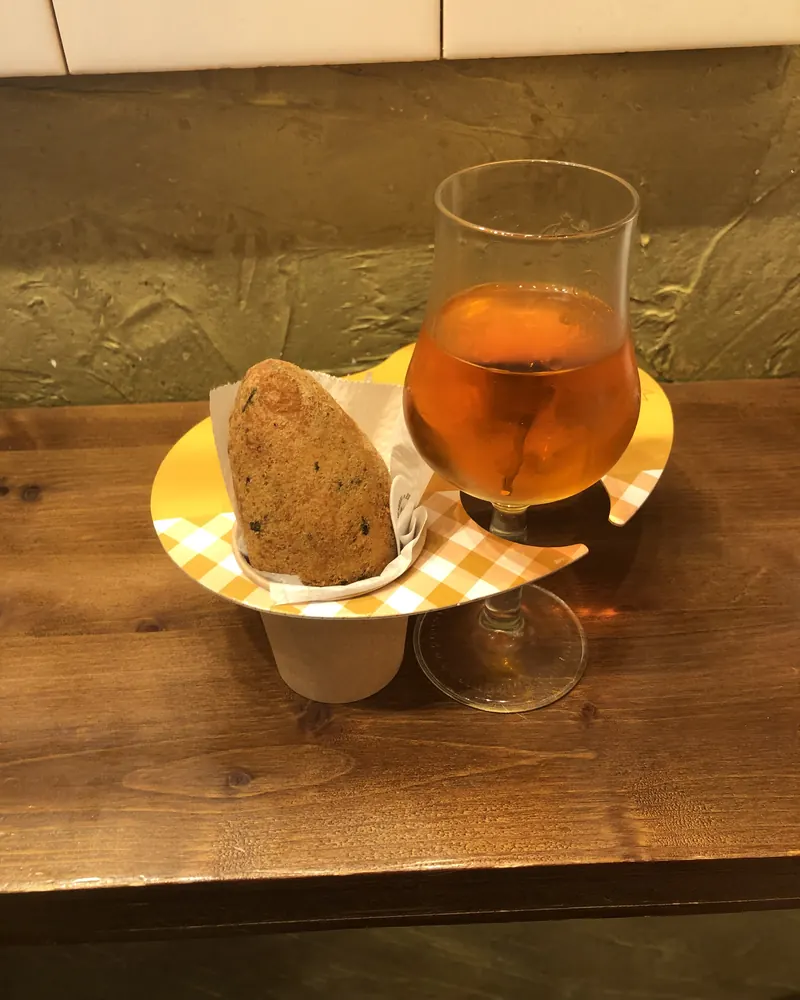
White port follows the same method as red but uses white grapes, among them Malvasia Fina, Gouveio and Rabigato. Young whites are labelled by sweetness: dry, sweet, and lágrima, the sweetest. Drier whites are the aperitif ports, served chilled, and the institute suggests dry white with tonic water, ice and lemon as a long drink. Whites aged in wood use the same age indications as tawnies and grow golden, with dried-fruit and honey notes.
Serving and keeping an open bottle
Most port is served at 15 to 20 °C, and white port can be chilled. Tawnies, already used to air, keep for several months once opened. Young rubies and recent vintage or LBV bottles can last weeks, while old vintage port is best finished within a few days of decanting. Store bottles with corks on their side and stoppered bottles upright, somewhere cool and dark.
Frequently asked questions
What is the difference between ruby and tawny port?
Ruby ages away from the air and keeps its red fruit and colour. Tawny ages in wooden casks, where slow oxidation turns it golden brown and nutty.
Is a colheita a vintage port?
No. A colheita is a single-harvest tawny aged at least seven years in cask. Vintage port spends only a short time in wood and ages in the bottle.
Does LBV need decanting?
Filtered LBV does not. Unfiltered LBV, labelled unfiltered or bottle matured, forms a sediment and should be decanted.
Sources