History
Why port ages across the river
How port came to be aged in Vila Nova de Gaia rather than Porto: the 1756 demarcation, the 1777 storage rule, the rabelo boats and the export rule.
See dates for fado at Fonseca ↗Quick answer
Port is made from grapes grown far up the Douro Valley, but for centuries it was aged and shipped through Vila Nova de Gaia, the town opposite Porto on the Douro's south bank. From 1777 Gaia was the designated storage site for wine bound for export, and until 1986 port could leave Portugal only from Gaia. The wine came downriver in flat-bottomed rabelo boats, and the lodges that held it still line the Gaia side today.
Wine from far upstream
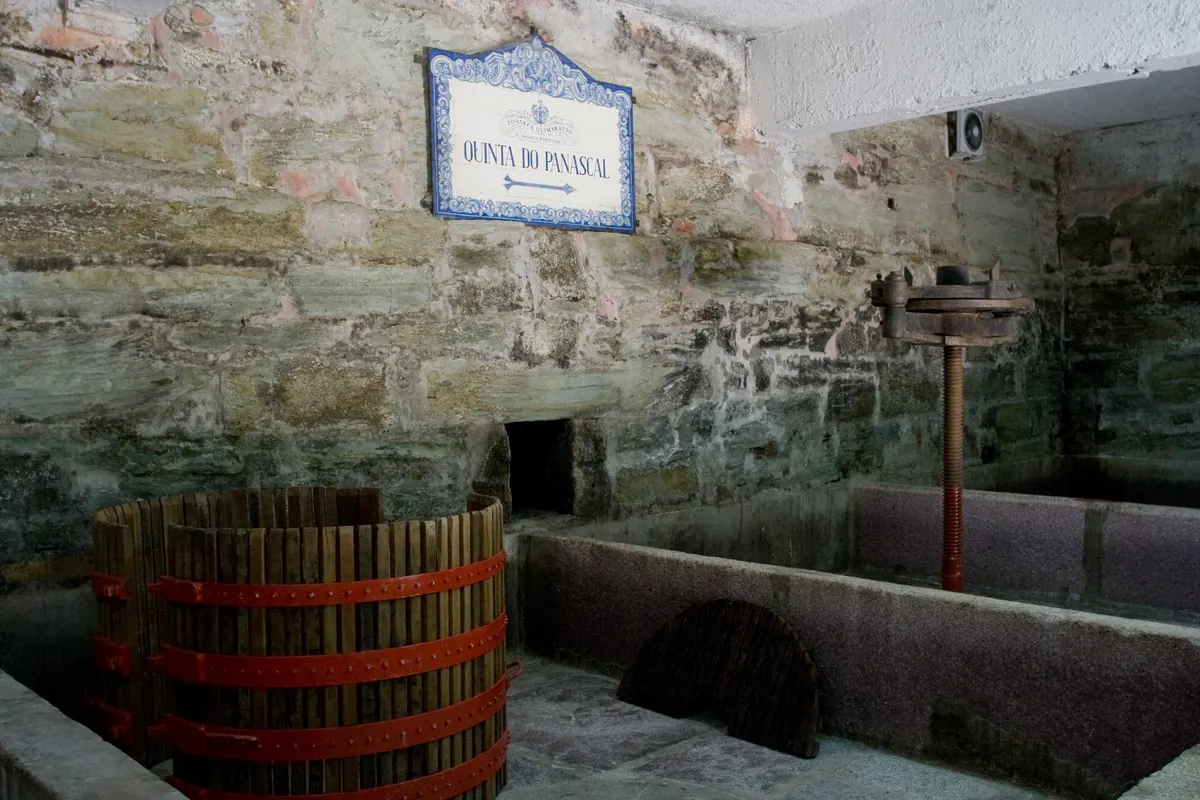
The grapes for port grow in the Douro Valley, on steep schist slopes that begin around the village of Barqueiros, some way inland from Porto, and run east almost to the Spanish border. The wine is made there, at quintas such as Fonseca's Quinta do Panascal on the river's southern bank. But for most of port's history the young wine did not stay in the valley. It travelled down to the coast to be aged, blended and sold, and the name the world uses, port, comes from the city at the river's mouth where it reached the market.
How the English trade began
Wikipedia tells a story from 1678: a Liverpool wine merchant's two representatives, on a trip into the Douro, were served a sweet, smooth wine fortified with spirit by the Abbot of Lamego, bought his whole stock and shipped it home. Port's popularity in England grew after the Methuen Treaty of 1703 lowered the duty on Portuguese wine at a time when war with France cut off French supplies. British merchants settled in the trade, which is why so many port houses carry English and Scottish names.
A demarcated region in 1756
In 1756, during the rule of the Marquis of Pombal, Portugal founded the Douro Wine Company to guarantee the quality of port and fair prices, and drew the boundary of the region allowed to produce it. The company also controlled which wine went for export and which stayed at home. That demarcation made the Douro one of the earliest legally protected wine regions anywhere, and the same boundary, extended eastward over time, still defines where port grapes may grow.
Why Gaia, not Porto
In 1777, following the Douro Wine Company's reforms, Vila Nova de Gaia became the designated storage site for all wine and port destined for export. The south bank of the river filled with lodges, the word used for the cellars where the wine rests in casks before bottling. Until 1986 port could only be exported from Portugal through Gaia, so for more than two centuries every bottle that left the country passed through these buildings. Locally they are called caves, and today they are among the town's main sights.
The rabelo boats
The wine came down the river in rabelo boats: flat-bottomed wooden cargo vessels with a shallow draught, built for the fast, shallow water of the upper Douro. Their name means little tail, after the long steering oar at the stern. They were the quickest link between the vineyards and the city until the railway arrived, and the river traffic ended once dams and locks were built. Today the wine travels by tanker lorry, and the rabelos moored on the Gaia side belong to port companies, with a race held each year on St John's Day, 24 June.
Cellars and politics
The lodges were not only warehouses. The Liberal Revolution of 1820 was organised in part within Gaia's wine cellars before it broke out in Porto. Port's own history runs through the politics of the age as well: Fonseca's account of itself describes Manoel Pedro Guimaraens leaving for London in 1822 as a supporter of the liberal cause, and building the house's business in England from there.
What you see today
The riverside of Gaia and the historic centre of Porto face each other across the Douro, and both belong to the same story. UNESCO inscribed the Historic Centre of Oporto, Luiz I Bridge and Monastery of Serra do Pilar as a World Heritage site in 1996. Cross the Dom Luís I bridge on foot and the lodges are what you meet in Gaia: many now open their cellars to visitors, and some, like Fonseca's, add a tasting with live fado.
Frequently asked questions
Why are the port cellars in Gaia and not in Porto?
From 1777 Vila Nova de Gaia was the designated storage site for wine going abroad, and until 1986 port could only be exported from Portugal through Gaia.
What is a rabelo boat?
A flat-bottomed wooden cargo boat that carried port wine down the Douro before dams ended the river trade. Port companies keep some moored on the Gaia side.
Sources